
Three years ago, Entrepreneurs for Global Change started with a simple belief: talent is everywhere, but opportunity is not.
New York City is one of the most powerful ecosystems in the world for early-stage founders, but for most, access to it might as well be behind an invisible barrier.

At the time, that idea felt obvious. Today, after working with hundreds of founders across Southeast & West Europe, the United States, and increasingly Africa, it feels undeniable.
What we didn’t fully understand back then was how big the gap actually is, and how much of it has nothing to do with talent, and everything to do with access.
Over the past three years, EGC has worked with more than 450 aspiring and early-stage entrepreneurs. We’ve run incubators, workshops, and fellowships. We’ve had founders from Bosnia and Herzegovina, Serbia, Nigeria, North Macedonia, and Croatia to New York City. We’ve worked with students just starting out, and founders already buildingreal products and companies.
And somewhere along the way, what started as several programs became something bigger: a bridge between ecosystems. Young awesome people like Tamara from Solarise, Chibuikem from ScholX, Ena from Autorun, and so many others that kept us pushing. The inspiration lies within the founders!
It Started with a Question
At the beginning, the question wassimple: how can we give a talented founder from an emerging ecosystem a realshot at building something locally relevant and globally competitive?
The answer wasn’t another lecture oranother online course. It wasn’t theory.
It was exposure and a life-changingexperience.
That thinking shaped one of our coreprograms, the BOLD Fellowship for Entrepreneurship. Through BOLD, we workedwith young founders from Bosnia and Herzegovina, Serbia, and North Macedonia,many of whom were at the very beginning of their journey. Some had ideas. Somehad early products. Almost all of them had ambition, but limited access tonetworks, mentors, and markets beyond their immediate environment.

Bringing them to New York City changedthe equation.
Suddenly, conversations shifted.Founders who had been thinking locally started thinking globally. They weren’tjust refining ideas, they were testing them against one of the most competitivemarkets in the world. They were sitting across from mentors, operators, andinvestors who asked harder questions and expected clearer answers.
That kind of exposure accelerateslearning in a way nothing else can.
From Programs to Patterns
As we expanded to regional workshops in places like Prizren, Subotica, and Ohrid, and later to more mature-stage incubators like Scale 2.0 in Croatia, Innovate Nigeria, and LeapX in Spain, we started to see patterns.
Different regions. Different backgrounds. Same challenges.
Founders consistently overestimated how ready they were to scale and underestimated how important clarity was. Many believed funding was the next step, when in reality they hadn’t yet nailed their value proposition or go-to-market strategy.
At the same time, the founders who moved fastest weren’t always the most technical or the most experienced. They were the ones who listened, adapted quickly, and used every conversation as an opportunity to refine their thinking.
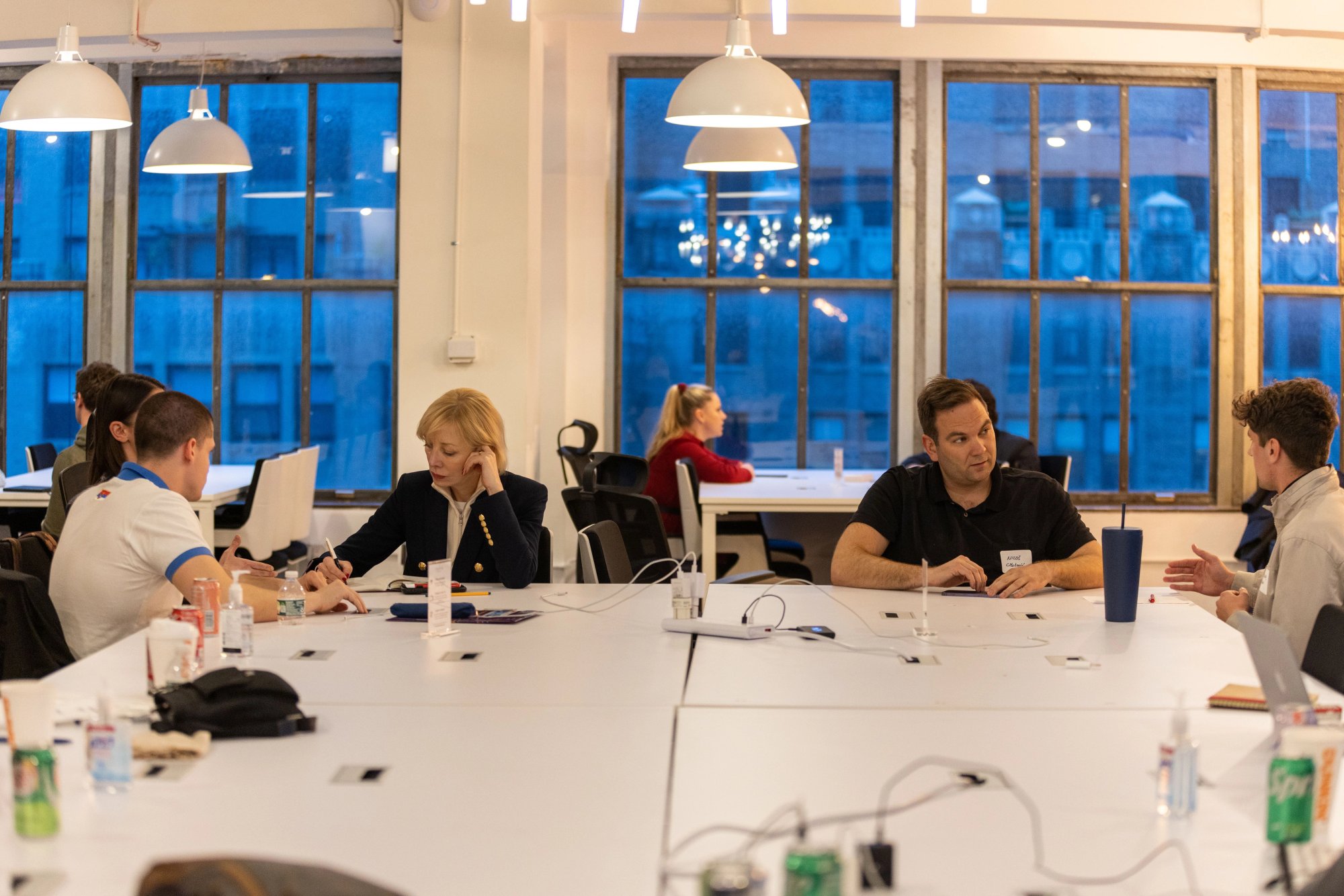
What became clear over time is that this is not a regional problem. It is a structural one. Whether in Southeast Europe, Africa, or even parts of Western Europe, founders face the same constraint: limited access to the right networks at the right time. The difference between moving forward and staying stuck is often just one introduction, one conversation, or one moment of clarity.
One of the biggest shifts we’ve seen happens during the New York phase of our programs.
A founder arrives thinking they need investment. A week later, after a series of mentor sessions and conversations, they realize what they actually need is sharper positioning, a clearer customer segment, or a more focused product.
That realization alone can save months, sometimes years.
Scale 2.0 and the Next Level
With Scale 2.0, in partnership with Infobip Startup Tribe, we started working with founders who were further along. Teams building real products, with early traction, and a clear intention to grow beyond their home markets.
The program is split between Croatia and New York City. In Vodnjan at Infobip’s HQ, founders focus on product, positioning, and growth fundamentals. In New York, the focus shifts to go-to-market, investment readiness, and real conversations with the ecosystem.
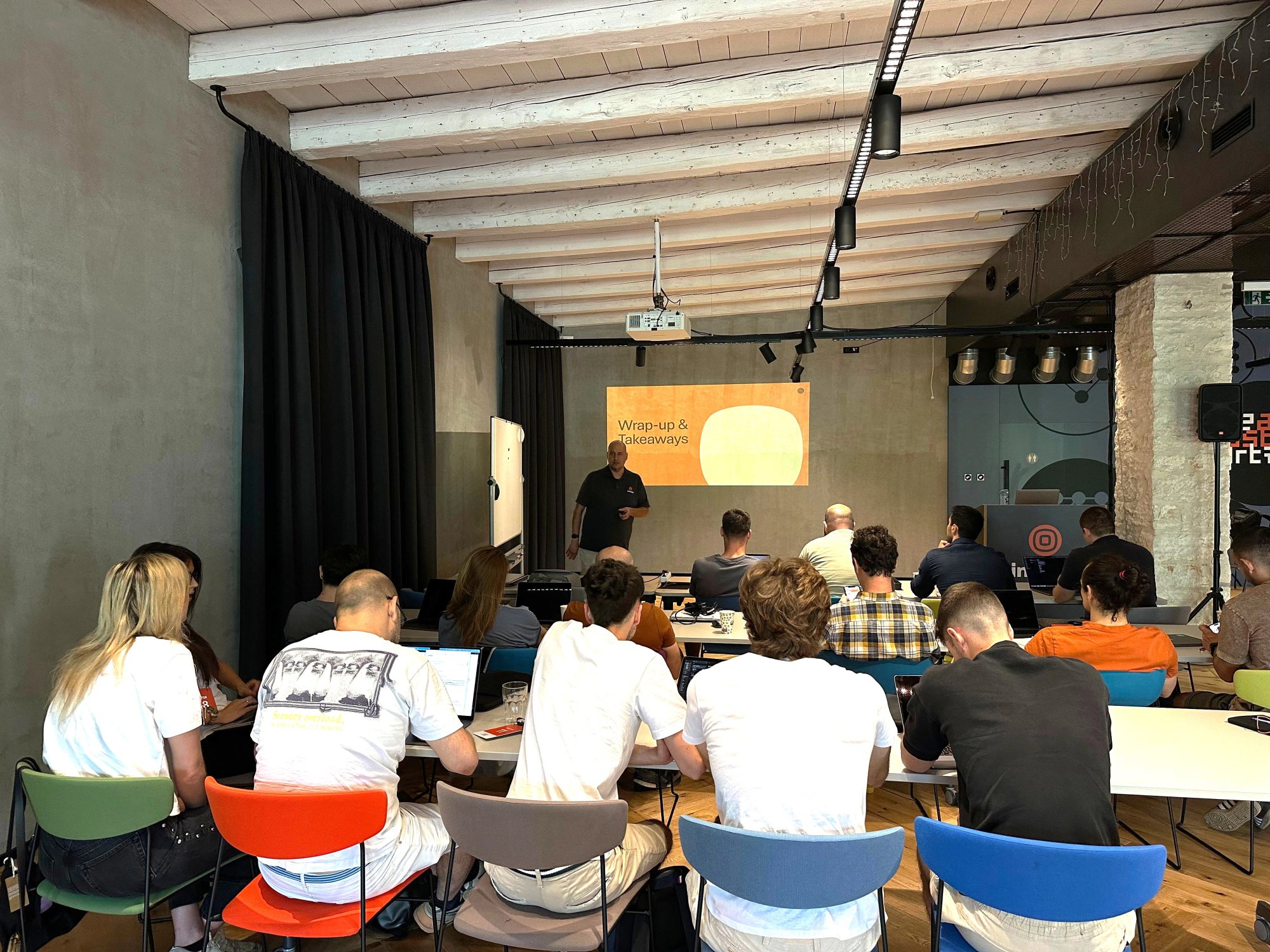
The difference is visible.
Startups like Autorun, Xolvi, Earthbound, Luxyon, and Medusa didn’t just go through sessions. They werechallenged to think bigger, communicate more clearly, and position themselvesin a global context.
More importantly, they startedbuilding relationships that don’t end when the program does.
That’s where the real value iscreated. And now they carry the know-how and confidence to push forward andsupport others coming behind them.
Impact Beyond the Numbers
It’s easy to list metrics.
Over 450 entrepreneurs supported. Morethan 1,000 sessions delivered. Dozens of startups launched. Funding raised. Partnerships formed. Founders mentoring the next generation.
But the real impact is in the individual moments that don’t always show up in a report.
A founder pivots their entire product after a single mentor conversation.
A team walks into New York unsure of their direction and leaves with their first real customer conversations.

In one case, a founder arrived focused entirely on raising capital. After a week of mentor sessions, they completely reframed their product positioning, narrowed their customer segment, and reworked their go-to-market strategy. Within months, that clarity translated into real traction and conversations that were not possible before.
Not every founder continues building their startup. That’s the reality of this journey. But even in those cases, the outcome is meaningful. Many go on to join leading companies, pursue top-tier education, or contribute to other high-growth startups.
What we’ve seen consistently is this: the right environment, the right pressure, and the right network candramatically change a trajectory.
Why This Work Matters
After three years, one thing is clear: ecosystems don’t grow in isolation.
Southeast Europe has incredible talent. So does Africa. So do many other regions that are often overlooked inthe global startup conversation. We are now focused on unlocking that potential with founders from around the world.
The gap is not in talent. It’s in proximity to opportunity.
Access to markets. To capital. Topeople who have done it before.
New York City plays a unique role in this.
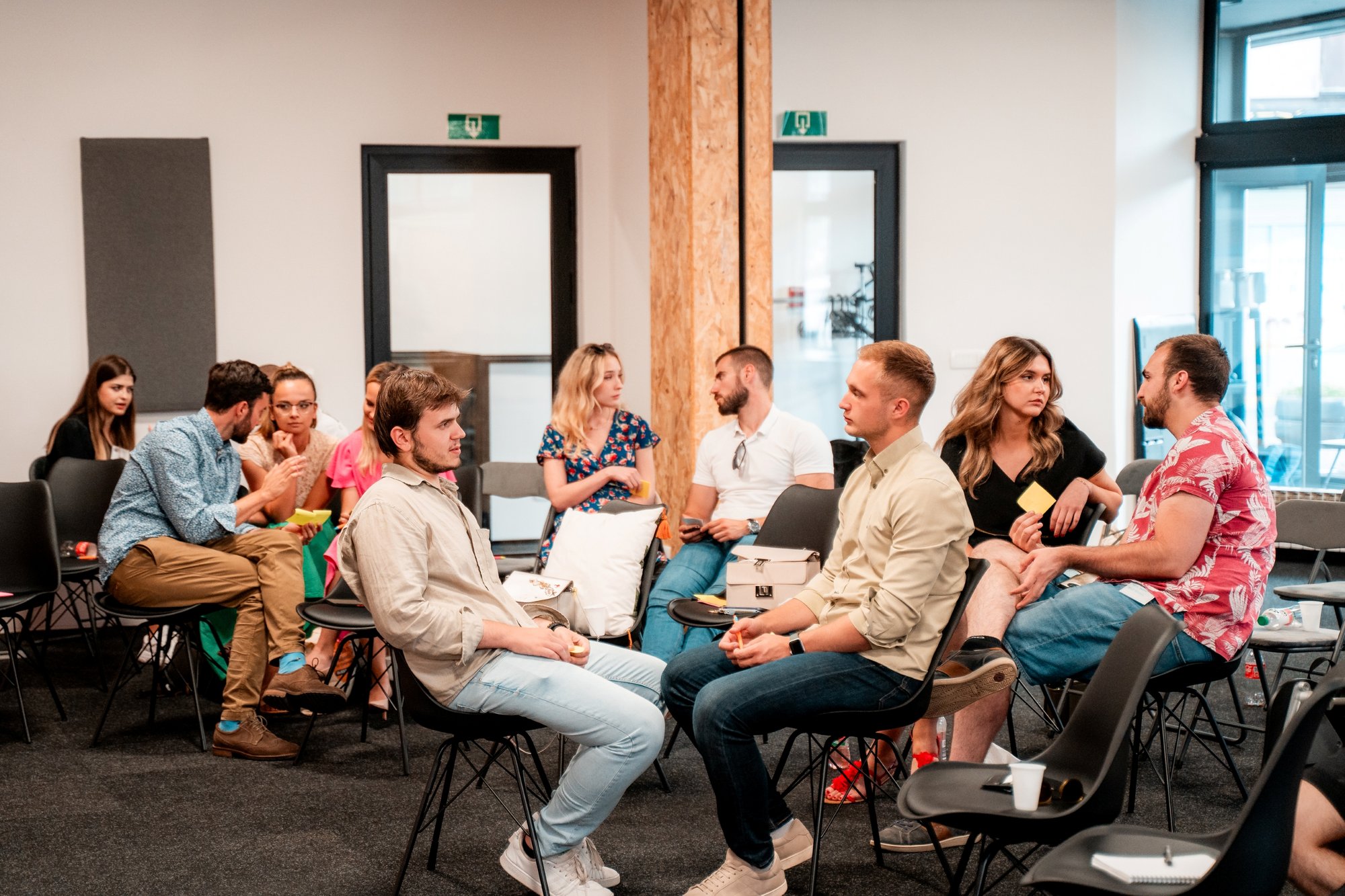
It’s not just a hub for capital. It’s a hub for perspective. When founders step into that environment, even briefly,it forces them to level up. It exposes gaps, but it also opens doors.
EGC’s role has increasingly become about building those bridges intentionally with future founders and pre-seed stage startups. Connecting founders from emerging ecosystems to the U.S. market. Connecting them to mentors, operators, and investors. Creating structured programs that don’t just teach, but immerse and instill NYC’s energy in your own mission.
And as we expand into Africa and Western Europe through programs like Innovate Nigeria and LeapX in Spain, we’re seeing the same patterns emerge. Different context, same need for access.
Lessons Learned
Building EGC hasn’t been straightforward path.
What we underestimated early on was how important selection is. The quality of the cohort defines the quality of the experience. The right group creates momentum. The wrong group slows everything down.
We also learned that content alone doesn’t move founders forward. Conversations and positive support does. Real, honest, sometimes uncomfortable conversations that put you on the right tracks.
And finally, we learned that programs don’t end when the schedule does. The real work starts after. Follow-ups, introductions, continued support, these are the pieces that compound over time. We continue to work with our global alumni for years, and many of them comeback to support the next generation.
A Bridge in Progress
The next phase of EGC is focused on both depth and scale.
We are moving from building programs to building infrastructure.
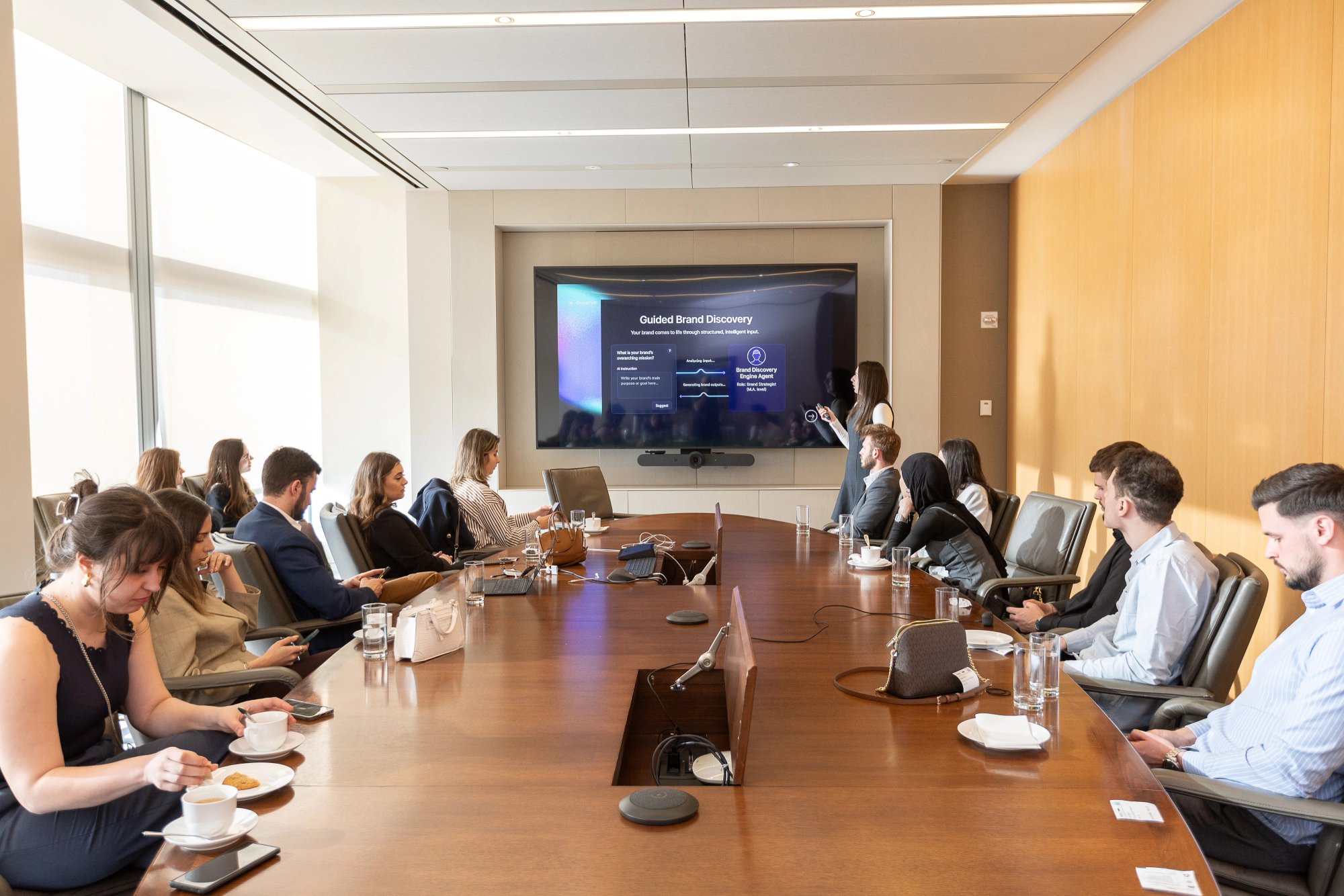
We’re continuing to strengthen programs like Scale 2.0 and LeapX, deepen our presence in New York City, and expand our global reach. At the same time, we’re building more structured pathways for founders after they complete programs, whether through continued mentorship, investor introductions, or new opportunities.
We’re also developing stronger connections with corporate partners, investors, and diaspora networks, creating more tangible opportunities for founders coming through our ecosystem.
And importantly, we’re thinking more intentionally about how this connects to capital.
The goal is not just to support founders, but to create a pipeline of globally competitive startups ready for investment, partnerships, and growth.
Three years in, EGC is still very much a work in progress.
But what started as a vision has turned into something real.
A platform that connects founders from Southeast Europe, West Africa, Western Europe, and beyond to New York City. A growing network of mentors, partners, and operators who believe in the same mission. A global community of founders who continue to build long after the programs end.
If there’s one thing these three year shave reinforced, it’s this:
Talent is everywhere. Opportunity still isn’t.
Bridging that gap is not easy. Butit’s worth building.
And we’re just getting started.